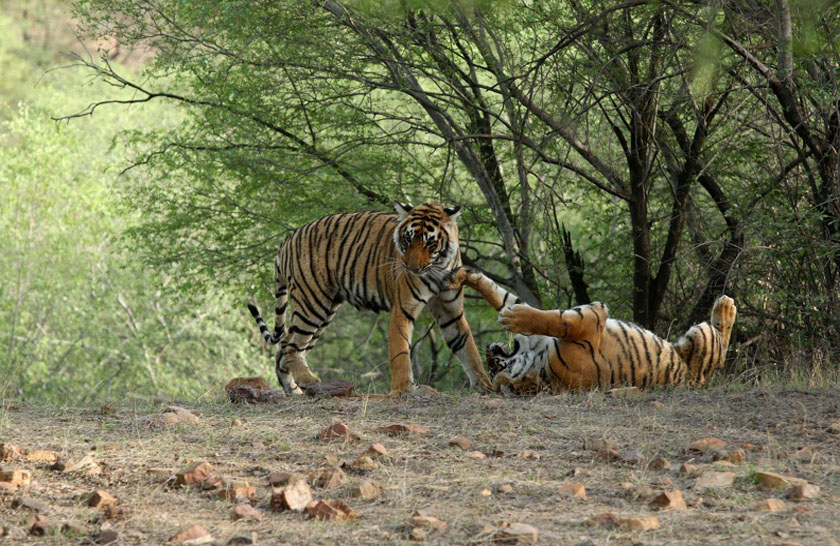
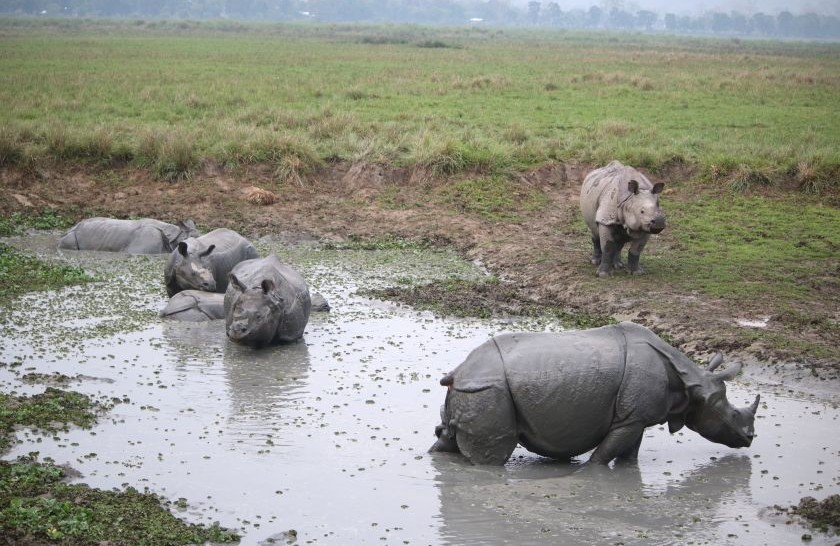
Catherine’s comments: I have visited Kaziranga National Park in Assam (Northeast India) on several occasions exploring by jeep, boat, elephant safari, and foot. For large animals like the one-horned rhinoceros, asian elephant, sambar, and gaur - it is unbeatable. I have also been lucky enough to see tiger there, however, if tiger are your hope - then Ranthambhore, Kanha, or Bandavgarh might be best. Ranthambhore is easily combined with a visit to Rajasthan. A journey into Rudyard Kipling country (Madya Pradesh) will take you to the other two parks. A recommended 4 days / 3 nights for each park is recommended. With shorter time, you could reduce that to 2 nights.
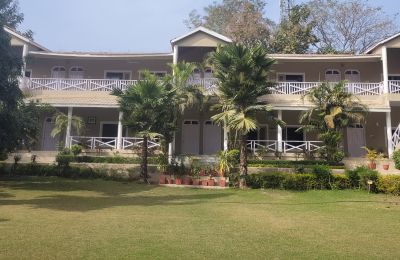 Where to stay
Kaziranga - Borgos ResortBorgos Resort
Ranthambhore - many options
Kanha - Kanha Jungle Lodge
Bandavgarh - Tiger Den Resort or Bandavgarh Jungle Lodge.
Why book with us?
For more than thirty years our land partners have pioneered unique natural history and living cultures programs in their home Nation of India making them destination experts. We have worked with them for those thirty years.
*Prices are reasonable with exceptional value. Rates are based on your group size (2 – 20 persons) and seasonality (high, shoulder low).
*Each program is deeply researched and personally inspected on an ongoing basis. We too are experienced personally with this program.
*Local interactions with community members and specialty guides and ensured.
*Tour can be modified to your individual tastes
Recommended itinerary (3-4 days for each park). Book one, two or more together
 3 days in Ranthlambhore
Day 1: Bordering the outer fringes of the Thar Desert and the former hunting grounds of the Maharajahs of Jaipur, Ranthambore is now a 512-square-mile natural preserve (one of India’s largest) that is home to diverse plant life; historic ruins; and hundreds of species of birds, reptiles, mammals, and of course, Bengal tigers. Transfer from your destination to the hotel.
Afternoon game drive through the Park, whose mission is to help preserve and protect the endangered Bengals.
Day 2: Morning & Afternoon game drives at Ranthambore National Park. Between the morning and afternoon safaris, you could visit an organization called Dhonk which works with members of the Mogya tribe, a traditional hunting community. Here you can see tiger conservation in action as families who once relied on poaching the big cats now have an alternative means of earning income through crafts and artwork. Sambar, the Chinkara Deer and Alligators share the shallow waters of a pristine lake. Leopards are here although quite elusive. More common sightings are of Jackal, mongoose, langurs, and hundreds of bird bird species.
To find a tiger in the wild needs all the skills of the guides are used following pug-marks and listening for alarm calls from other animals.
Some of the lodges offer evenings around the fireplace reminiscent of former stories from the British Raj and Moghul hunting adventures. the past is overlayed with conservation achievements.
Day 3: Morning drive and a visit to Ranthambhore Fort one of the monuments in the park. To find a tiger in the wild needs all the skills of the guides are used following pug-marks and listening for alarm calls from other animals. Early morning game drive with a visit to Ranthambhore fortress. The fortress stands 700 feet above the plains. Inside the forts are three Hindu temples and a Jain temple. Thousands of pilgrims continue to walk each day to a despite the wildlife dangers.
Continue to your next destination or stay another night at Ranthambhore.
____________________________________________________________________________________________________________________________________
 4 days in Bandavgarh
Day 1: Morning drive to Bandhavgarh National Park. Airports located approx. 4 - 5 hours drive include Jabalpur and Raipur. You can break up your drive with stops along the way. On arrival check in at the Hotel. TOvernight at the Tiger Den Resort
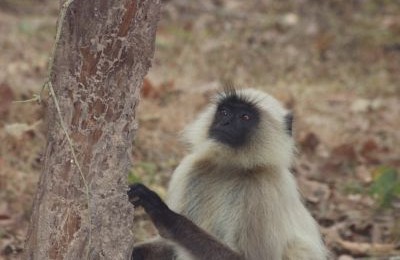
Set among the Vindhya Hills of Madhya Pradesh with an area of 168 square miles, this national park contains a wide variety of habitats and high density of game, including a large number of tigers. Sal forests cover over half the area and there are stretches of bamboo and grassland. Within the park is the ancient Bandhavgarh fort and caves, dug into the sandstone of the fort, have inscriptions dating from the 1st century BC. In the recent past, the fort was last occupied by the Maharaja of Rewa until it was designated as a National Park in 1968. In addition to tigers, also seen are chousingha (small four horned) antelope, chinkara (Indian) gazelle, nilgai (blue bull) antelope, wild boar, jackal, muntjak (barking) deer, sambar deer, chital (spotted) deer, jungle cat, striped hyena, porcupine, ratel, rheses macaque, black-faced langur monkey and more. In March and April, gaur (Indian bison), move down from the higher hills to the southeast of the park and make their way to the central meadows. As this park is relatively new, there is still a good chance of adding birds to the checklist of some 150 species already compiled.
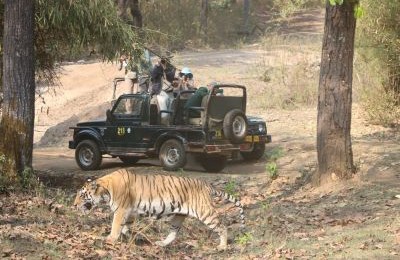
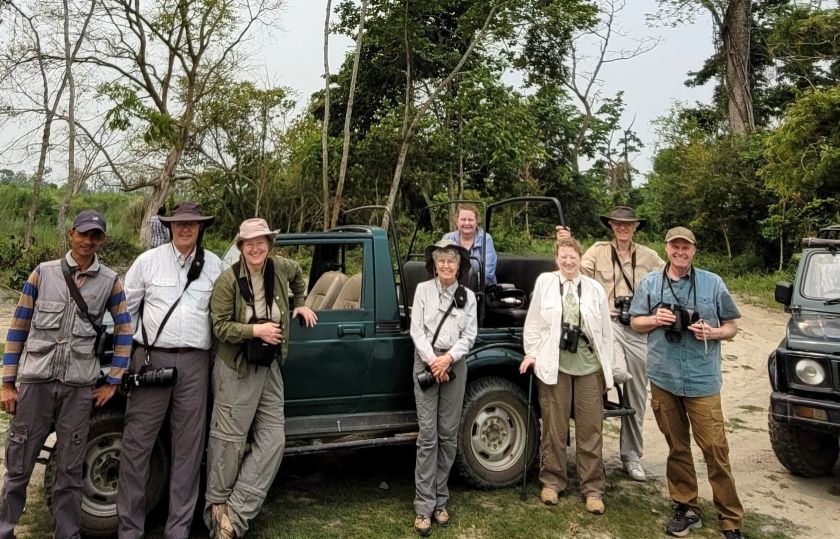
Morning jungle visit to park. Lunch at hotel. In the afternoon another area of the park. Safaris are with both expert naturalist/driver and a conservation guide from the park. Dinner and Overnight at the lodge.
 Day 3: Bandhavgarh National Park
Breakfast at hotel. Morning jungle visit to park. Lunch at hotel. Afternoon to relax at the lodge that has its own trails, spa treatment, and pool. Dinner and Overnight at hotel
Day 4: Bandhavgarh onward.
Return to the park for a morning game safari. Breakfast at the lodge. Depart for your next destination.
_________________________________________________________________________________________________
4 days in Kanha
Day 1: Arrival at Raipur airport and drive to Kanha National Park. Romanticised by Kipling in his book, Kanha National Park is among the most spectacular, protected wildlife reserves of the world. The 1,945 sq. km National Park has been compared to N’Gorongoro National Park of Tanzania. However like its African cousin, Kanha is not a volcanic crater though the surrounding hills are a result of geographically ancient volcanic activity. Above all Kanha is far greener and more densely wooded than N’Gorongoro. It is one of the largest and best monitored Parks in the subcontinent and definitely one of the best places in the world to see the critically endangered tiger in the wild. The great sal forests of Kanha National Park, stretching across Maikal hills of Satpura range, have given birth to many jungle adventures especially the much loved English classic by Rudyard Kipling, “The Jungle Book.” Kipling based his tale on the wildlife of Kanha in the late 19th century and thus Kanha is also known as ‘Kipling Country’. The grassy plateauu, wooded hills and valleys of Kanha are home to the legendary Shere Khan the Tiger, loveable Baloo the Bear, wise Bagheera the Panther and the dreaded Rock Python Kaa.
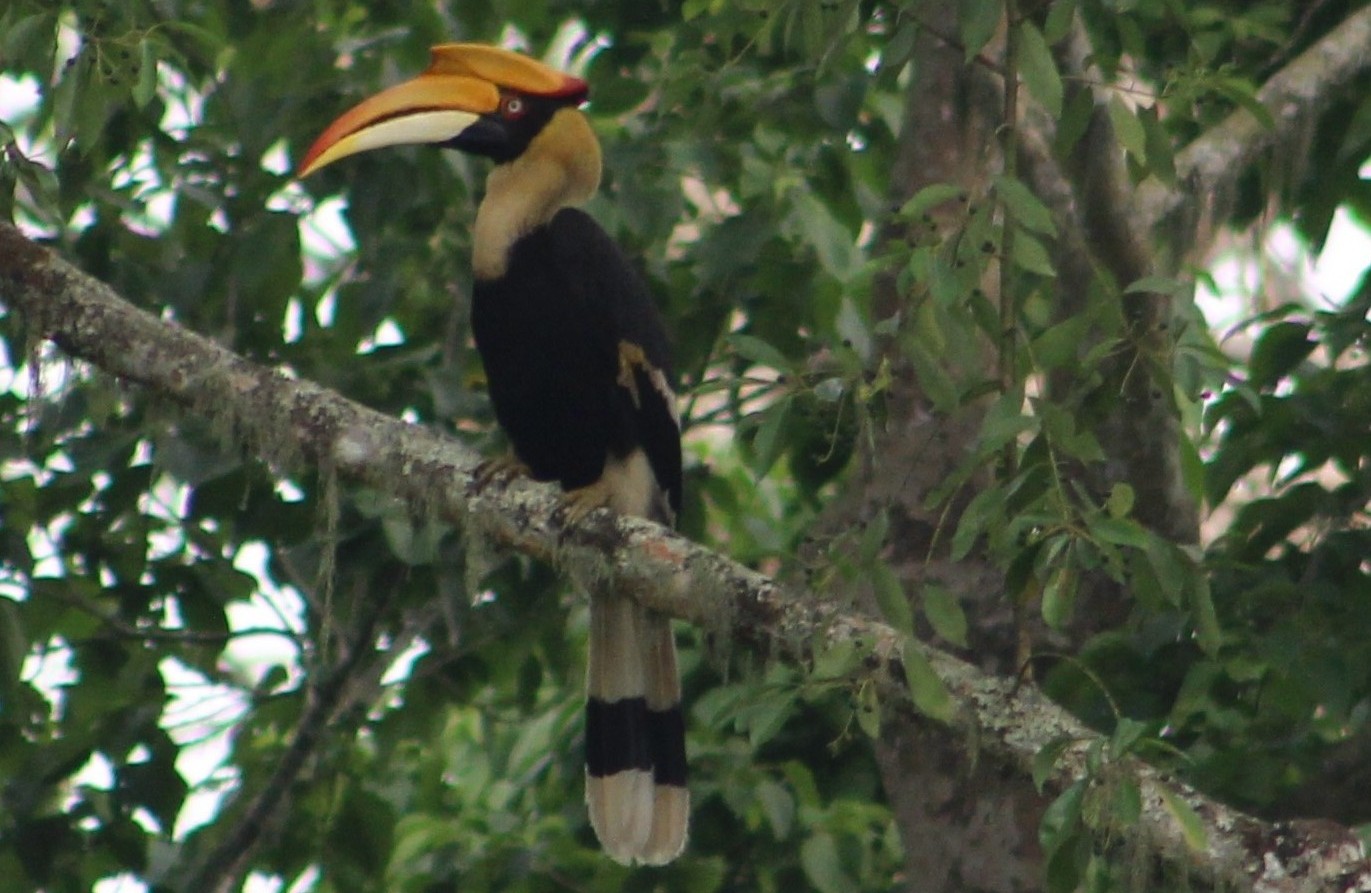
Birdlife of the region is equally astounding and more than 350 avian species have been recorded here with the possibility of sighting yet new races, thus giving the avid birdwatcher great scope for new discoveries. Mynas, Bush Chats, Kingfishers, Treepies, Orioles, Lapwings, Falcons, Kites, Owls, Vultures and various other species of our flying friends will provide unlimited hours of pleasure to those who choose to seek them. Morning check out and drive to Kanha. Upon arrival check in at hotel.
 Lunch at hotel. In the afternoon jungle visit to park. Dinner and overnight at hotel.
Day 2: Kanha. Breakfast at hotel. Morning jungle visit to park. Lunch at hotel. Afternoon jungle visit to park. Kanha has a large, healthy population of tigers. But this park is famous for its herds of hard-ground Barasingha – also called swamp deer, a large and beautiful endemic animal with 12-point antlers (it has probably been saved from extinction by careful management in Kanha). Also found are herds of the beautiful chital (common name is spotted deer), and sambar, the biggest of the Indian deer. Other commonly seen herbivores include barking deer, nilgai antelope, four-horned antelope, wild boar, and the imposing gaur (also called the Indian bison), which is considered the largest wild bovine in the world. A gaur bull can stand over six feet tall at the shoulder and weigh more than a ton! Dinner and overnight at hotel.
Day 3: Kanha. Take sunrise and sunset excursions, departing your hotel pre-dawn that last 4-5 hours. You will have breakfast inside the park in a designated area, returning to your lodge by late morning.
Special Note: Kanha National Park remains closed for afternoon safari on every Wednesday.
Day 4: Kanha – Raipur airport or Khajuraho or similar (approx. 4-5 hour drive) for onwards travel.
__________________________________________________________________________________________________________________________________
 4 days in Kaziranga National Park
Kaziranga National Park – a world heritage site, the park hosts two-thirds of the world’s Great One-horned rhinoceros. Kaziranga also boasts the highest density of tigers among the protected areas in the world and was declared a Tiger Reserve in 2006. Though sighting of tigers are difficult because of the tall grasses that provide excellent camouflage, their presence can be felt everywhere by way of pug marks, kills and territorial markings. The park is home to large breeding populations of elephants, wild water buffalo and swamp deer. The most prized inhabitant of Kaziranga is the Greater One-Horned Indian Rhinoceros whose numbers have increased dramatically since we first began visiting the park almost thirty years ago. The Park is home to as many as 180 different mammals including wild elephant, tiger, deer, Asiatic wild buffalo and a rich variety of birds.
Journey to the Kohora Mihimukh range of the National Park to start an early morning adventure in search of wildlife. The park never ceases to surprise its visitors!!!
Morning and afternoon jeep safaris to explore the national park over the 2 - 3 nights you stay in the area.
Another exciting way to experience the park is via a Brahmaputra River Cruise aboard the MV Mahabatu. Our land partners own this luxury expedition boat. Ask us for details.